
The Complete Winter Greenhouse Prep Checklist
There’s nothing like the magic of walking into your greenhouse in early spring. The air is warm, humid, and earthy as you water a profusion of flowering plants, watch your tomato starts grow in their little pots, and pick a few greens for your dinner salad.
At least, that’s the ideal. But all too often, a spring greenhouse is a disorganized mess of spilled soil, scattered pots, missing tools, and dead plants from last year.
At Ebyland, we know you don’t want to start the growing season feeling overwhelmed and behind! And as your local garden supply center, we care about helping you make the most out of your greenhouse. That’s why we wrote this blog, which will help you do all the proper winter greenhouse prep before spring, and maybe grow a few winter plants as well!
Are you ready? Let’s get started.





TL;DR - Winter Greenhouse Prep Checklist
- Make sure your greenhouse is clean and organized to prepare for spring planting.
- Address all structural issues, cracked or misaligned panels, and worn-out weather stripping. Make sure your venting, heating, lighting, and watering systems are in good working order.
- If you’re eager to grow plants over the winter, opt for leafy greens, root vegetables, and herbs.
- Manage winter conditions by keeping the temperature stable, venting stale air, watering less, and maximizing light.
Cleaning and Organizing Your Greenhouse
Generally, we think of spring as the time for cleaning, not winter. When it comes to sheds, garages, gazebos, and other outdoor spaces, winter simply feels too cold and dreary to even think about doing a deep clean.
But even though many states, like Maryland, have long, cold winters, a greenhouse allows gardeners to start the growing season as early as February or March. And you want to start with a clean slate, free of plant diseases, mold, mess, and disorganization.
Although the idea of cleaning a greenhouse in winter sounds miserable, the reality is quite the opposite! On a cold, sunny day, your greenhouse traps heat and creates a relatively warm, sunny environment, where you can work with your hands and beat the winter blues.
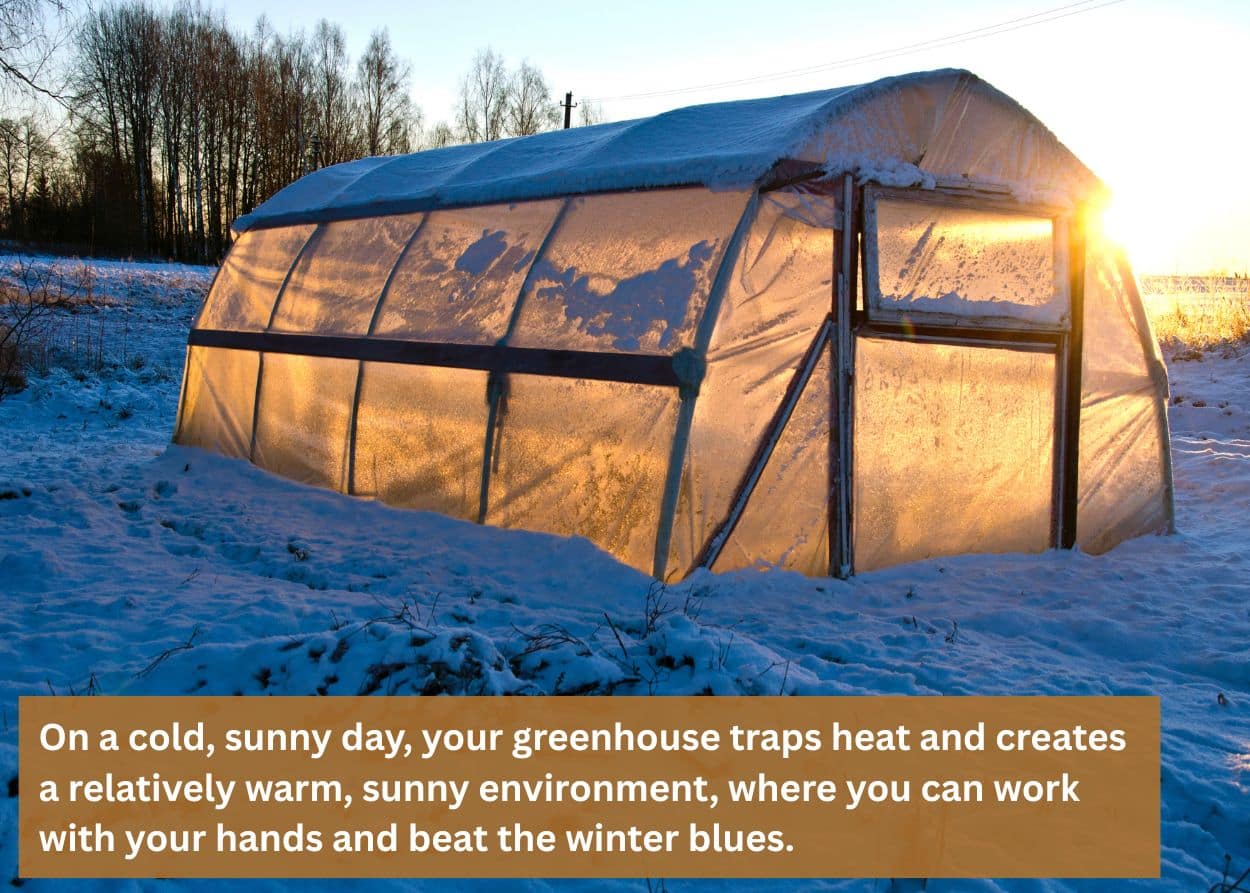
Instead of trying to marathon it in one day, try to get out in your greenhouse every sunny day and get a little work done, really taking your time and savoring the moment. Although you cannot get Vitamin D through a window, the sunlight still boosts serotonin and helps regulate your sleep, and both cleaning and gardening can boost your mental health.
Step 1: Clear out debris
Bring a bucket or bin into your greenhouse, fill it with dead plants, fallen leaves, and old soil, and dump it on your compost heap. Just remember—if any dead plants or soil harbors disease, throw it out rather than composting it, as you don’t want the disease to spread.
(For more info on soil, read our blog about soil health.)
Step 2: Deep clean the interior
After you’ve swept up and cleared out the last of the debris, it’s time to deep clean. Wash the glass or poly panels so light can penetrate, scrub algae and dirt from corners, shelves, and benches, and disinfect surfaces with a vinegar solution or diluted hydrogen peroxide.
Note: Although you can wait to deep-clean the exterior of your greenhouse until the weather warms up a bit, a quick winter scrub to remove visible dirt is a good idea. You don’t want anything blocking that precious sunlight!
Step 3: Clean and organize equipment
Finally, take some time to clean and organize your equipment. Wash and sanitize your containers and clean your tools, lightly oiling metal parts to prevent rust. Take stock of what you have, discarding unneeded or broken equipment and purchasing any tools you need.
Now your greenhouse is all ready for spring planting…but wait! Why are you feeling a cold breeze?
Winter Maintenance
The next step in your winter greenhouse prep is to make sure your operation is properly maintained. Between cold, wind, moisture, and falling branches, winter can be hard on your greenhouse. As you clean, keep an eye out for anything that’s out of sorts, and make sure to fix it as soon as possible.
Here’s a handy checklist of things to keep an eye out for:
- Check for bent or bowed framing and reinforce stress points
- Check for loose bolts, screws, or brackets, and tighten them
- Repair or replace rusted metal frames or rotting wood
- Replace rusted fasteners
- Treat wood with sealant
- Replace cracked or heavily clouded panels
- Reseat loose panels
- Re-caulk or re-tape seams
- Patch small tears in plastic sheeting
- Make sure the door closes tightly, adjusting hinges and latches if needed
- Lubricate moving parts
- Replace worn-out weather stripping
- Replace faulty vent openers ASAP!
- Clean fans and vents
- Replace worn fan belts or motors
- Reinforce sagging shelves
- Tighten or swap loose fittings on your watering system
- Replace brittle or broken hoses
- Flush drip systems before spring
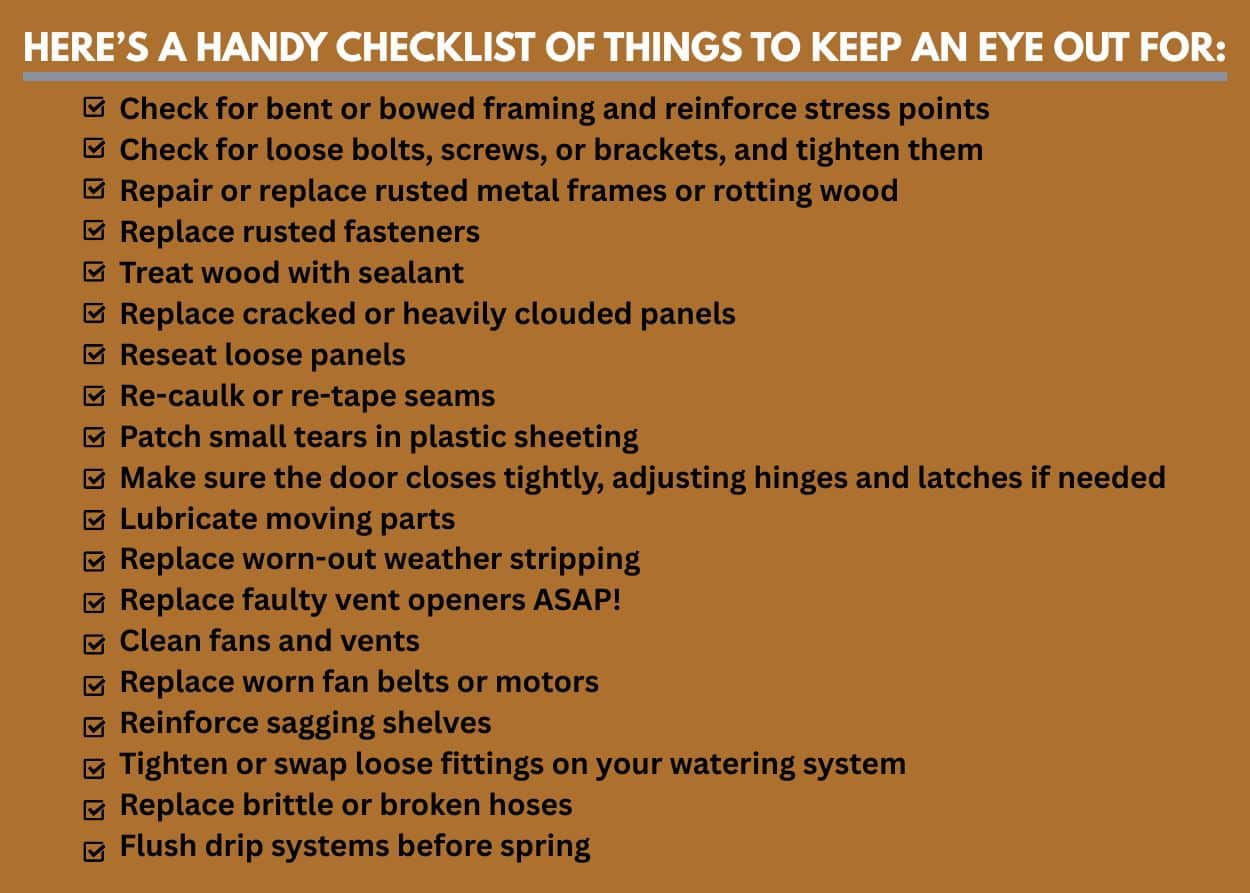
In addition, if you have a heating system or grow lights, make sure they’re in good working order!
When performing winter maintenance, fix the obvious things first—if you feel a cold breeze, figure out where it’s coming from and patch it up. Then, as you’re cleaning, planting your first seeds of the year, or pottering around in general, make a habit of checking on components and repairing or replacing them as necessary.
Greenhouse Plants You Can Grow in Winter
Usually, the growing season is from spring through fall, with warmer climates having a longer, more extended growing season than colder climates. Although greenhouses extend the growing season in places like Maryland, most greenhouses lie dormant over the winter.
However, as we mentioned previously, there are tremendous mental health benefits to pottering around your greenhouse in winter, so why not try growing some fresh greens for your salads!
Here are some things you can try:
Leafy greens
- Spinich
- Kale
- Swiss chard
- Arugula
- Mustard greens
- Asian greens (bok choy, tatsoi, mizuna)
Herbs
- Parsley
- Cilantro
- Chives
- Thyme
- Mint (keep it contained)
Root Crops
- Carrots (short or Nantes types)
- Radishes
- Beets
- Turnips
- Green onions
Note: If you have a greenhouse heating system, you can expand your winter crop options—growing items such as cabbage, peas, and fava beans. (And on our blog, we’ve written even more details about how to choose the right plants for your garden beds!)
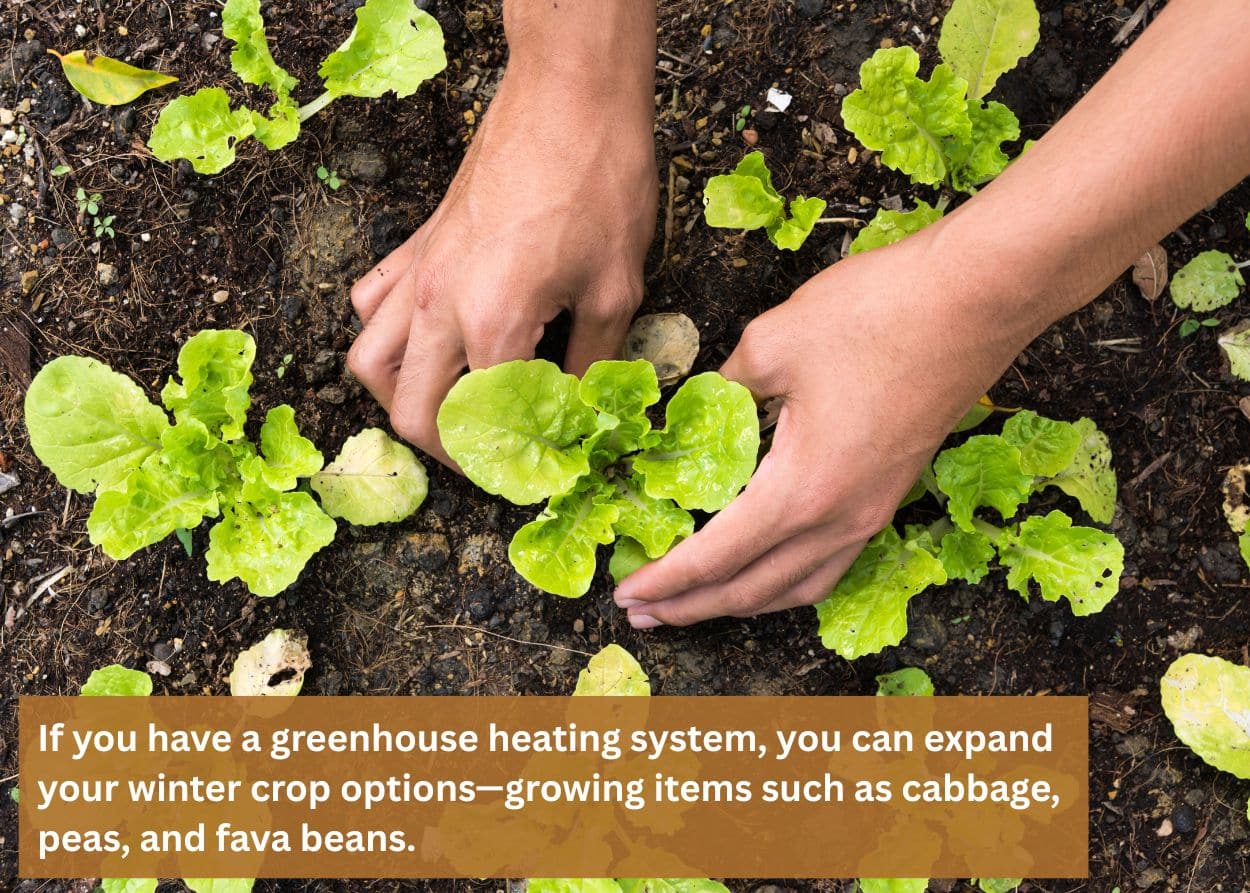
Remember, it’s perfectly fine to leave your greenhouse dormant throughout the winter, but if you want a little something to keep you inspired, a few plants will scratch that itch! Just be sure to take care of maintenance issues promptly, so your plants are getting as much warmth and sunlight as possible.
Speaking of which, let’s go over a few tips for managing winter conditions during that period when you have plants growing, but it’s still cold out.
4 Tips for Managing Winter Conditions
Whether you’re growing plants all winter or starting your spring shoots in February or early March, here are some tips for managing winter conditions.
1. Prioritize Temperature Stability (Not Just Warmth)
Big swings cause more damage than simply being cold. A steady 35–45°F is often better than bouncing between 25° and 60°. Use a min/max thermometer so you know what’s happening overnight, and add thermal mass (water barrels, stone, brick) to buffer temperature changes.
Focus on insulating the north wall. Use greenhouse bubble wrap on glazing, as it still lets light through, and add interior row covers for plants.
2. Vent Even When It’s Cold
Open vents on sunny days—even in January—and run fans to prevent stagnant air. This prevents mold, mildew, and fungal disease. Just make sure to close everything up again before the temperature drops!
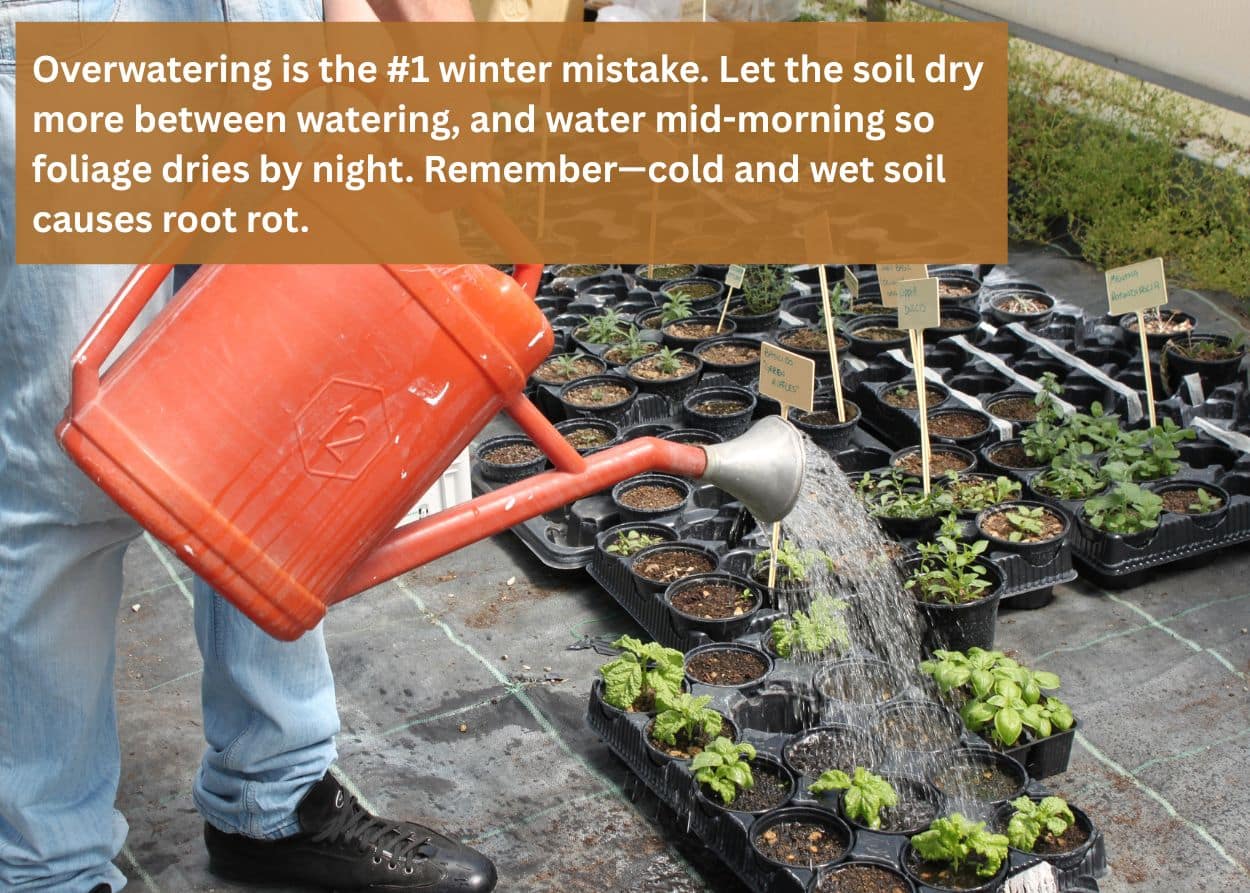
3. Water Less and Earlier
Overwatering is the #1 winter mistake. Let the soil dry more between watering, and water mid-morning so foliage dries by night. Remember—cold and wet soil causes root rot.
4. Maximize Light
Winter light is precious. In addition to keeping the glazing clean and removing unnecessary shading, be sure to rotate the plants regularly. It’s also a good idea to add grow lights for seedlings or herbs. Even cold-hardy plants stall without enough light.
Remember—even with these precautions, winter growth is slow. Manage your expectations and aim for slow, steady growth, catching any disease or pest issues immediately so your greenhouse can explode in growth come spring!
How Ebyland Can Help
If you live near Cumberland, MD, stop by Ebyland for all your garden supply needs as you go through your winter greenhouse prep!
In addition to our selection of soils and nursery plants, we also sell a variety of other outdoor living supplies, such as:
Stop in and see us today to talk to a knowledgeable salesperson about what greenhouse supplies you need and what you can grow in your area, or reach out and give us a call or email!
We look forward to serving you.